What Is a Cervical Disc Herniation?
A cervical disc herniation, commonly known as a neck herniated disc, occurs when one of the discs between the cervical vertebrae becomes damaged and presses on nearby nerves or the spinal cord.
This condition can lead to:
- Neck pain
- Pain radiating into the shoulder and arm
- Numbness and tingling
- Muscle weakness
- Reduced mobility
Cervical disc herniation is one of the most common causes of arm pain originating from the spine.
What Are the Symptoms of a Cervical Disc Herniation?
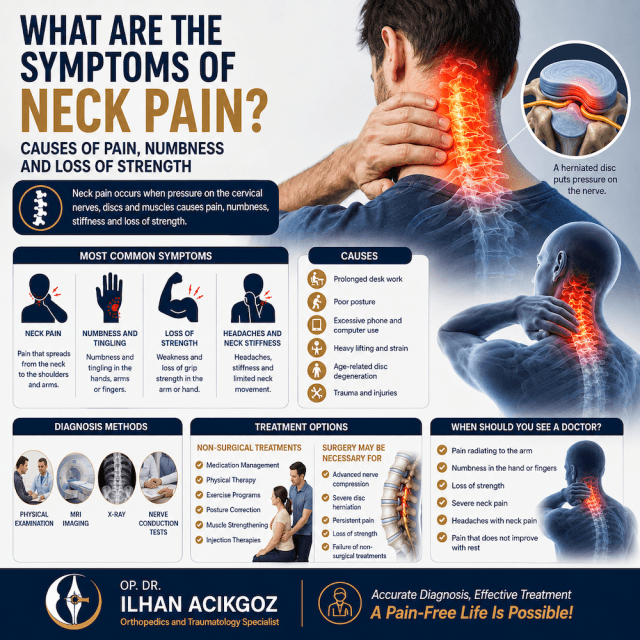
Symptoms vary depending on which nerve is compressed and the severity of the herniation.
Common symptoms include:
- Neck pain
- Pain radiating from the neck into the shoulder, arm or hand
- Numbness in the fingers
- Tingling sensations
- Muscle weakness
- Reduced grip strength
- Difficulty lifting objects
- Burning or electric-shock-like pain
Some patients experience only mild discomfort, while others develop significant neurological symptoms.
Why Does a Cervical Disc Herniation Cause Arm Pain?
Nerves that control the shoulder, arm and hand originate from the cervical spine.
When a herniated disc compresses these nerves, pain may travel along the nerve pathway, causing:
- Shoulder pain
- Upper arm pain
- Forearm pain
- Hand pain
- Finger discomfort
This condition is commonly referred to as cervical radiculopathy.
Why Do Numbness and Tingling Occur?
Pressure on a cervical nerve root can interfere with normal nerve signals.
As a result, patients may experience:
- Tingling sensations
- Numbness in the fingers
- Loss of sensation
- Pins-and-needles feelings
The affected area often depends on which cervical nerve is compressed.
Can a Cervical Disc Herniation Cause Weakness?
Yes.
Nerve compression may weaken the muscles controlled by the affected nerve.
Patients may notice:
- Difficulty gripping objects
- Reduced arm strength
- Weakness when lifting the arm
- Frequent dropping of items
- Loss of hand dexterity
Persistent weakness should always be evaluated promptly by a spine specialist.
Common Risk Factors
Several factors increase the likelihood of developing a cervical disc herniation:
- Age-related disc degeneration
- Poor posture
- Long hours at a computer
- Frequent smartphone use
- Repetitive neck strain
- Heavy lifting
- Previous neck injuries
- Smoking
When Should You See a Specialist?
You should seek medical evaluation if you experience:
- Persistent neck pain
- Arm pain that does not improve
- Progressive numbness
- Muscle weakness
- Loss of hand function
- Balance problems
- Symptoms affecting daily activities
Early diagnosis can prevent further nerve damage and improve treatment outcomes.
How Is Cervical Disc Herniation Diagnosed?
Diagnosis typically involves:
- Detailed medical history
- Physical examination
- Neurological assessment
- MRI scanning
- X-rays when necessary
- Advanced imaging studies
MRI is usually the most effective method for identifying disc herniation and nerve compression.
Treatment Options
Non-Surgical Treatment
Most patients improve without surgery.
Treatment may include:
- Physical therapy
- Anti-inflammatory medication
- Activity modification
- Posture correction
- Targeted exercise programs
- Image-guided injections
Many patients experience significant symptom relief through conservative care.
When Is Surgery Necessary?
Surgery may be considered when:
- Severe nerve compression exists
- Progressive weakness develops
- Symptoms persist despite treatment
- Spinal cord compression is present
- Daily life is significantly affected
The goal of surgery is to relieve pressure on the nerves and restore function.
Evaluation by Op. Dr. İlhan AÇIKGÖZ
Op. Dr. İlhan AÇIKGÖZ provides comprehensive evaluation and treatment for cervical disc herniation, neck pain, arm numbness, nerve compression, and complex spinal disorders. Each treatment plan is tailored to the patient’s symptoms, imaging findings and functional goals.
Frequently Asked Questions
Can a cervical disc herniation heal without surgery?
Yes. Many patients improve with physical therapy, medication and lifestyle modifications.
Is arm numbness always caused by a cervical disc herniation?
No. Conditions such as peripheral nerve compression, shoulder disorders and other neurological problems can cause similar symptoms.
Can a cervical disc herniation cause weakness?
Yes. Nerve compression can reduce muscle strength in the arm, hand or shoulder.
What is cervical radiculopathy?
Cervical radiculopathy occurs when a nerve root in the neck becomes compressed, causing pain, numbness or weakness in the arm.
When should surgery be considered?
Surgery may be recommended when symptoms are severe, progressive, or fail to improve with conservative treatment.
Conclusion
Neck pain accompanied by arm pain, numbness or weakness should not be ignored. Cervical disc herniation is one of the most common causes of these symptoms and may significantly affect daily life if left untreated. Early diagnosis and appropriate treatment can help relieve symptoms, protect nerve function and restore quality of life.